
However, while NAFLD requires dietary and lifestyle changes, alcohol-related liver damage demands complete cessation or significant reduction of alcohol. This distinction highlights the unique, preventable nature of alcohol’s impact on liver and immune health. Several lines of evidence suggest that alcohol consumption exerts a dose-dependent impact on the host response to infection.
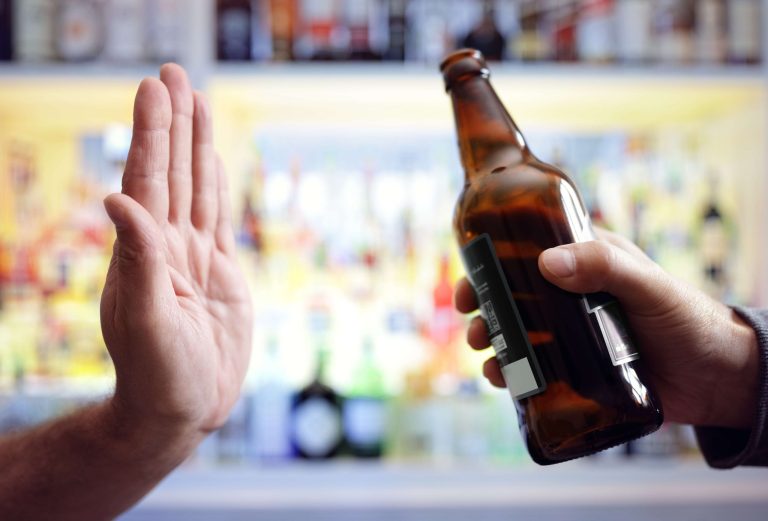
Binge Drinking: Alcohol and the Immune System
In the stomach, alcohol can pass through the lining and affect the beneficial bacteria that exist there. Sign up to receive our latest blogs, webinars, local event invites, and relevant news on addictions, mental health, treatment facilities, and much more. The content in this blog is not intended to be a substitute for professional medical advice, diagnosis, or treatment. Always seek the advice of your physician or other qualified alcohol and immune system health provider with any questions you may have regarding a medical condition.
Q: Can moderate alcohol consumption have any adverse effects on the immune system?
- Always seek the advice of your physician or other qualified health provider with any questions you may have regarding a medical condition.
- Similarly, most rodent studies to date have focused on acute/short-term binge models utilizing high concentration of ethanol (20% ethanol) as the sole source of fluid, a possible stressor in itself.
- Additional studies are required to fully understand the role of ethanol metabolites and adducts in the development of alcoholic liver injury and organ damage.
- A step-by-step overview of inpatient alcohol rehab, covering admission, detox, therapy, medical care, and aftercare planning for recovery.
- If you drink every day, or almost every day, you might notice that you catch colds, flu or other illnesses more frequently than people who don’t drink.
In addition, such studies could reveal the pathways that are modified by moderate alcohol consumption to enhance immune response to vaccination. Chronic alcohol consumption alters the composition and growth of the gut microbiota which helps the gram-negative bacterial growth and increases the circulatory lipopolysaccharide (LPS) 17,18. Nitro-oxidative stress due to inducible nitric oxide synthase (iNOS) expression, Nf-κB signaling activation, and microRNA-122 (miRNA-122) expression in the intestinal cells due to alcohol are the main reasons for altered gut permeability 21,22.
- In summary, it’s clear that alcohol affects the immune system, but the extent of the damage varies depending on how much you drink and how frequently.
- Excessive alcohol consumption can weaken the immune system, making the body more susceptible to infections.
TREATMENT
Studies have identified ethanol-mediated changes in both miRNA abundance (Miranda et al. 2010; Pietrzykowski 2010) and epigenetic modifications within PBMCs (Biermann et al. 2009; Bleich and Hillemacher 2009; Bonsch et al. 2006). However, very few studies have examined ethanol-induced changes in gene expression and regulation within specific immune-cell subsets. Moreover, none of the studies have conducted a comprehensive integrated analysis of mRNA, miRNA, and epigenetic expression patterns in the same cell(s) before and after alcohol consumption. Integrating gene expression patterns with gene regulation could reveal novel insight into specific pathways that are dysregulated with alcohol abuse and could explain the increased susceptibility to infection. These insights could lead to interventions to restore immunity, such as reversing changes in histone modifications and DNA methylation patterns or modulating expression levels of miRNAs.
One key reason is that alcohol alters the balance of cytokines—chemical messengers that regulate immune responses—leading to chronic inflammation and an ineffective immune reaction. This imbalance not only reduces the body’s ability to fight off infections but also increases the risk of autoimmune diseases and certain cancers. An additional study expands on the use of thiazolidinedione ligands in alcohol use lung dysfunction. A mouse alveolar epithelial cell line, MLE-12 cells, was used to examine the role of PPARγ in alcohol-induced alveolar epithelial inflammasome activation and lung barrier dysfunction.

To assess potential mechanisms for these altered functional states with alcohol, single cell level transcriptomics and epigenetics were performed on isolated alveolar macrophages. A new subset of macrophage chromatin reorganization and accessibility changes with alcohol were identified that bolsters the hypothesis that macrophages have limited ability to respond properly to pathogens. Inflammation is a continuing process in several injurious conditions, including liver cirrhosis or gut injuries, due to the constant influx of pro-inflammatory cytokines produced by infiltrated macrophages and neutrophils 12. Alcohol-induced ROS production leads to the activation of inflammation gene-specific NF-κB transcription factor and inflammasome signaling pathways 13,14. IL-18, a cytokine specific to inflammasomes, and caspase-1, one of the inflammasome components, were increased in the alcohol-treated rats, which led to increased inflammation in the injured brain tissue 15. Chronic alcohol consumption leads to cellular injuries, and constant inflammation leads the normal cells to turn cancerous.
Dr. Sengupta shares some of the not-so-obvious effects that alcohol has on your body. You probably already know that excessive drinking can affect you in more ways than one. The hypothalamic–adrenal–pituitary axis is a hormonal system that primarily is involved in the stress response. Activation of this system culminates in the production and release of corticosteroid (i.e., cortisol in Halfway house humans and corticosterone in rodents) from the adrenal glands, which then act on various tissues to mediate the stress response. Join our newsletter for practical insights on complex illness such as autoimmunity, CIRS, mould illness, MCAS, gut and thyroid health. If you are unsure how alcohol affects your immune system, tracking your response can be helpful.

Subsequently, these findings were validated in human samples, where a similar increase in total EVs, mainly exosomes, was observed in individuals with AH. Furthermore, both miRNA-192 and miRNA-30a https://aruba.synetcom.co.id/2025/11/06/why-fentanyl-users-are-bent-over-addiction-2/ showed significant elevation in patients with AH, with miRNA-192 holding promise as a diagnostic marker for AH 76. According to the available literature, alterations in cellular protein and mRNA due to alcohol align with corresponding changes in cargoes carried by EVs (Figure 2).
Taking precautions like limiting yourself to no more than one drink per day (assuming you are of legal drinking age), alternating between water and alcohol, and eating healthy during those times will go a long way towards helping keep your immunity strong for years down the line. While moderate drinking can be enjoyable, it’s important to understand how consuming too much alcohol can weaken your body’s natural defence mechanisms and make it harder for them to protect you from illness. In the lungs, for example, alcohol damages the immune cells and fine hairs that have the important job of clearing pathogens out of our airway. The spike in alcohol sales has alarmed health experts and officials around the world, who are concerned that increased drinking could make people even more vulnerable to the respiratory disease.
Addiction Treatment Should Focus on Individuals, Not Drugs of Choice
In conclusion, while alcohol might be a part of social life for many, understanding its long-term effects on the immune system is vital. By staying informed and making conscious choices, we can protect our immune health and reduce vulnerability to infections and chronic diseases. From personal experience and what I’ve read, it’s clear that making informed choices about alcohol consumption is crucial for maintaining immune health. This doesn’t mean you have to abstain completely, but understanding the risks can help you moderate your intake and protect your body’s defenses. Simple steps like limiting alcohol to recommended guidelines, staying hydrated, and supporting your immune system with a balanced diet and regular exercise can make a big difference. According to the World Health Organization (WHO), alcohol is responsible for approximately 3 million deaths globally each year, many of which are linked to alcohol-related infections and immune dysfunction.