
It is designed to optimize the swapping of stablecoins with minimal slippage and low fees, attracting liquidity suppliers and traders alike. Liquidity pools are a elementary element of Curve Finance, enabling users to contribute belongings and earn rewards whereas facilitating seamless transactions. This weblog submit will discover the basic ideas of Curve Finance, the mechanics of liquidity swimming pools, and their impression on the DeFi ecosystem. By understanding these components, participants can better navigate the alternatives presented within the decentralized finance space. Cryptocurrency liquidity pools have discovered vital purposes throughout various industries, notably in decentralized finance (DeFi).
As A Result Of the assets are already within the contract, small and medium swaps clear immediately. The true “market maker” is the pricing method, not a human desk. At its core, a liquidity pool is a foundational element of the DeFi ecosystem, serving as a reservoir of funds locked in a sensible contract. The concept is comparatively straightforward yet innovative, addressing the liquidity challenges inherent in decentralized networks. When a trader desires to execute a trade, the AMM calculates the worth based on a predetermined method. This formulation, also recognized as a continuing perform market maker, ensures that the value of the asset adjusts in accordance with the provision and demand inside the pool.
- Smaller swimming pools additionally face low liquidity, making trades inefficient and increasing slippage.
- Deal With pool selection and position sizing like any other monetary determination.
- Simply begin small, use trusted platforms, and always stay informed.
How Liquidity Pool Mechanics Affect Your Trades
“Slippage” is the distinction between the quote you see when you submit and the final crypto liquidity pools execution worth after affirmation. Understanding both is essential for sizing orders and choosing routes. The pool regularly rebalances you toward the underperforming asset and away from the outperformer.
Crypto Liquidity Providers Vs Crypto Exchange (order Book)

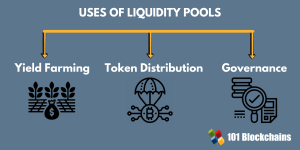
This is when the value of assets you deposit right into a liquidity pool decreases. Let’s say that the opposite asset within the pool is a stablecoin, and your asset is more unstable. The popularity of liquidity swimming pools has led to the event of various methods for maximizing returns. Users can select to allocate their belongings across multiple swimming pools or even participate in yield farming to reinforce their earnings. The flexibility provided by liquidity swimming pools in DeFi attracts each novice traders and seasoned traders looking to optimize their returns.
Digital Asset Exchanges

In a market with too little liquidity, favorable prices are exhausting https://www.xcritical.com/ to maintain. The DEX locks all of the crypto in a liquidity pool in smart contracts. Whenever you trade crypto, the system creates a new sensible contract for the commerce. It permits for seamless and fast peer-to-peer transactions.
Liquidity pools exist inside a DEX, and all trades of asset pairs go through Anti-Money Laundering (AML) them. When users present liquidity to a pool, they sometimes receive liquidity supplier (LP) tokens in return. These tokens represent their share of the pool and can be utilized to withdraw their authentic contributions together with any earned rewards. The return on investment for liquidity suppliers can vary primarily based on the quantity of trades throughout the pool and the fees generated.
That computerized reweighting creates a efficiency hole relative to simply holding the two property. Most protocols represent your stake with a separate on-chain receipt referred to as a liquidity supplier (LP) token. Many pool contracts are immutable or changeable only through controlled governance. Evaluation who can pause buying and selling, improve code, or regulate fees, and the way these powers are limited.
Traders, usually known as Liquidity Suppliers (LPs), contribute to liquidity swimming pools. They achieve this through the use of a decentralized exchange (DEX) platform. One popular instance is the DEX Uniswap and the blockchain Ethereum.
The contract holds the stock, units the speed for each swap using a formula, and distributes trading fees to depositors in proportion to their share of the pool. Each liquidity pool is made up of equal parts (in phrases https://www.oceaninstruments.co.uk/advanced-backtesting-software/ of value) of the buying and selling pair’s two assets. Liquidity swimming pools power decentralized buying and selling by removing the need for traditional patrons and sellers.